Human foods that are dangerous for dogs
Chocolate and xylitol get the headlines, but grapes, onions and a few pantry staples belong on the same list. What makes each one risky, and how to keep them out of reach.
The why behind the big offenders
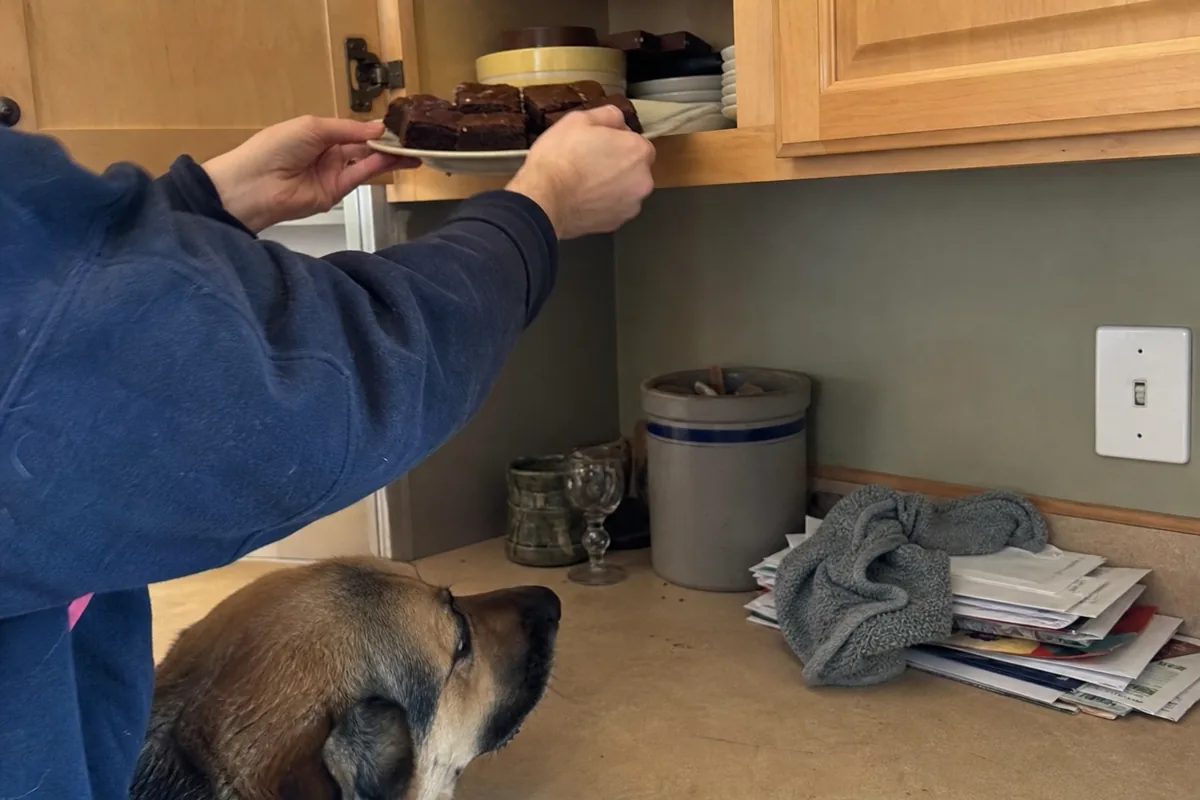
Dogs process some common food compounds differently than people. That difference can turn a bite into a hazard. Chocolate contains methylxanthines, including theobromine. The FDA states: "Theobromine can cause mild signs in dogs with doses as low as 9 mg per pound of body weight, and severe signs starting around 18 mg per pound of body weight." That figure helps explain why darker chocolate, which is more concentrated, is riskier per ounce than milk chocolate.
Sugar-free products with xylitol are another fast-moving risk. The FDA explains the mechanism: "This rapid release of insulin may result in a rapid and profound decrease in the level of blood sugar (hypoglycemia), an effect that can occur within 10 to 60 minutes of eating the xylitol." Speed adds danger at home. A small, unnoticed chew can cause a serious blood sugar drop soon after.
The FDA also flags other human foods as hazardous for pets. The agency’s list includes grapes and raisins, onions, garlic, macadamia nuts, alcoholic drinks and foods, caffeine sources, salt, and raw yeast dough. That is why the safest plan focuses on prevention in the kitchen, the pantry, and at gatherings.
Read labels like a pet pro
Xylitol hides in plain sight in many personal care and food items. The FDA’s consumer update makes the advice explicit: "Hartogensis says, "Check the label for xylitol in the ingredients of products, especially ones that advertise as sugar-free or low sugar. If a product does contain xylitol, make sure your pet can't get to it.""
Shoppers also need to know the synonyms. The same FDA page notes: "And you may have heard or read news stories about dogs that have died or become very ill after eating products containing xylitol, which also may be known as birch sugar or wood sugar." Scan ingredient lists for those names as well.
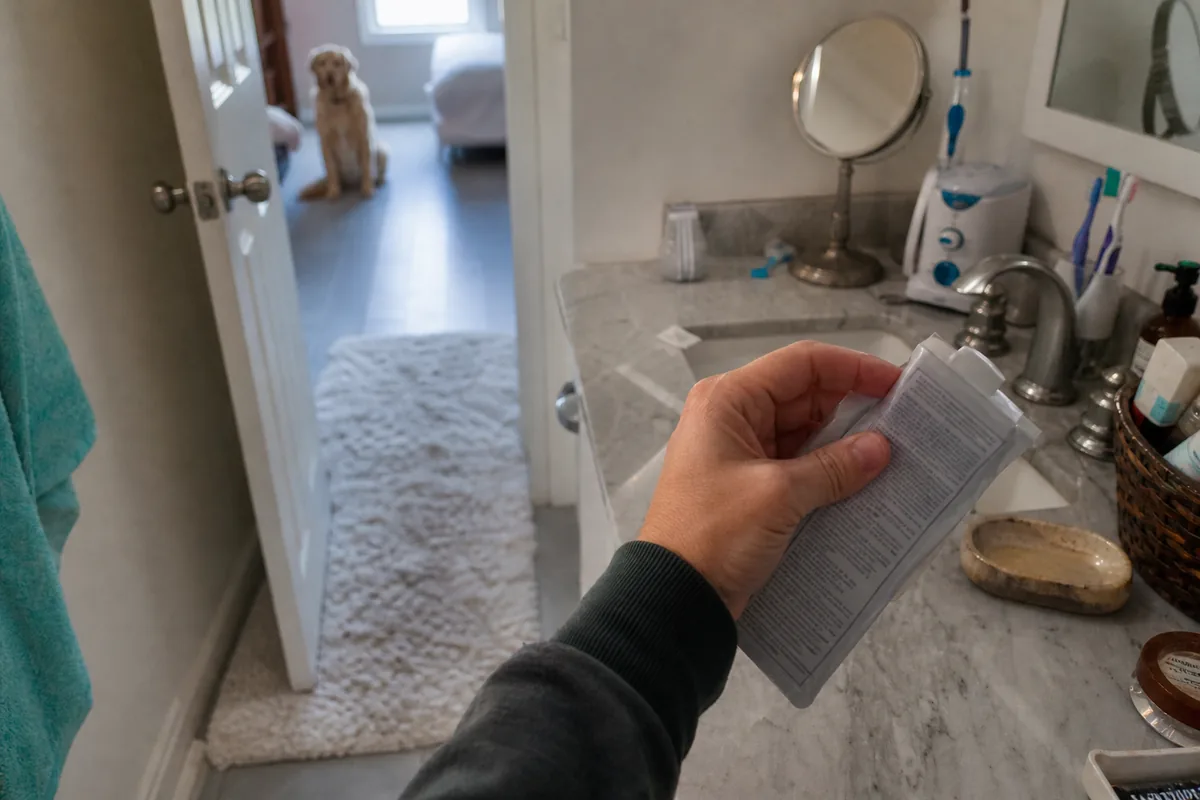
Xylitol shows up in everyday items. The FDA lists examples such as some sugar-free gum and candy, cough syrup, mouthwash, and toothpaste. Treat any sugar-free or low sugar claim as a cue to read the fine print before it enters a dog's world.
The pantry and fridge culprits to block
The FDA lists the following human foods and ingredients as hazardous for pets. Keep these out of reach and out of habit.
- Chocolate (theobromine risk; see the FDA dose thresholds above)
- Xylitol-sweetened items (gum, candy, some oral care and medicines)
- Grapes and raisins
- Onions and garlic
- Macadamia nuts
- Alcoholic drinks and foods containing alcohol
- Caffeine sources (coffee, tea, soda, energy drinks)
- Yeast products like raw bread dough
A short rule helps when cooking or hosting. If the FDA flags it, it should never be offered, and it should never be left within reach.
Smart storage and hosting habits
Prevention beats a late-night scramble. The FDA’s advice on xylitol applies broadly: keep risky items where a pet cannot get them. Make that the household standard.
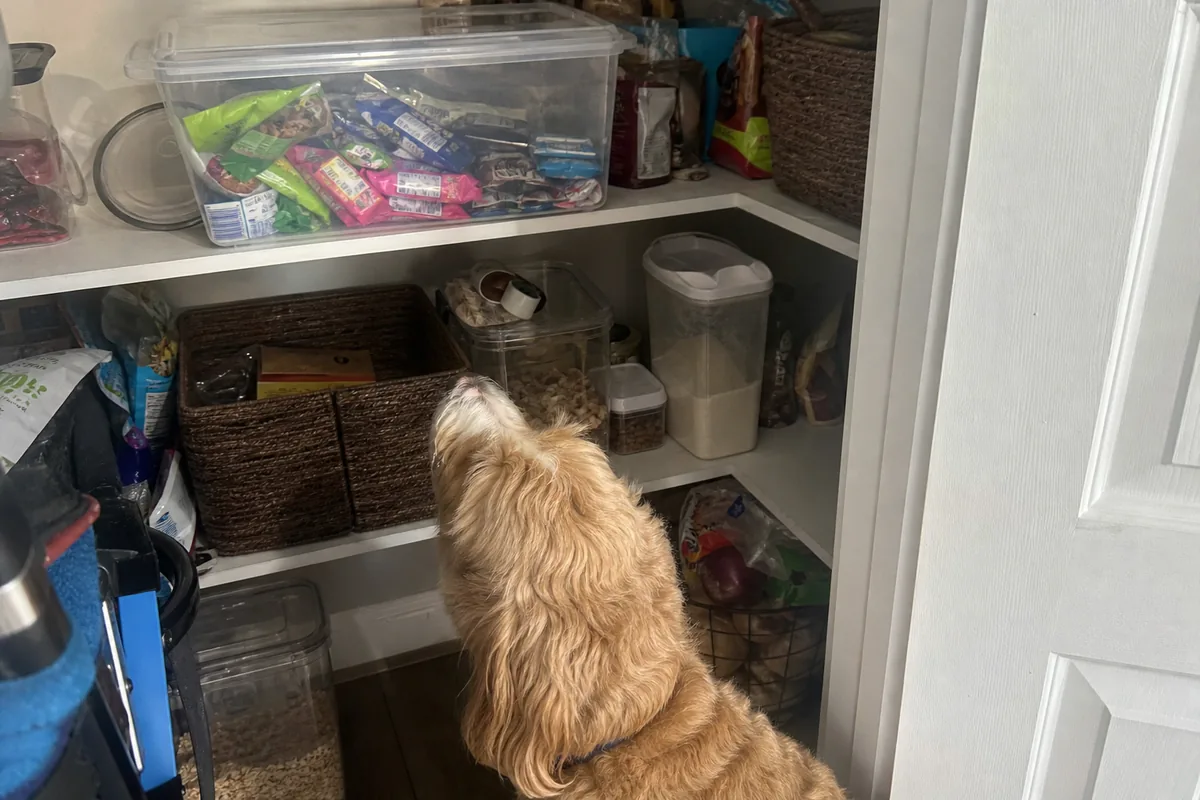
Use closed bins for candy, gum, and baking supplies. Store them in upper cabinets, not on counters or open shelves. Put purses, lunch boxes, and backpacks in a closet or on a hook when guests arrive.
Plate food right before serving at parties. Clear plates and cups as people finish. Keep dessert stations and charcuterie boards on high, stable surfaces. Assign one adult to watch the food zone while others step out.
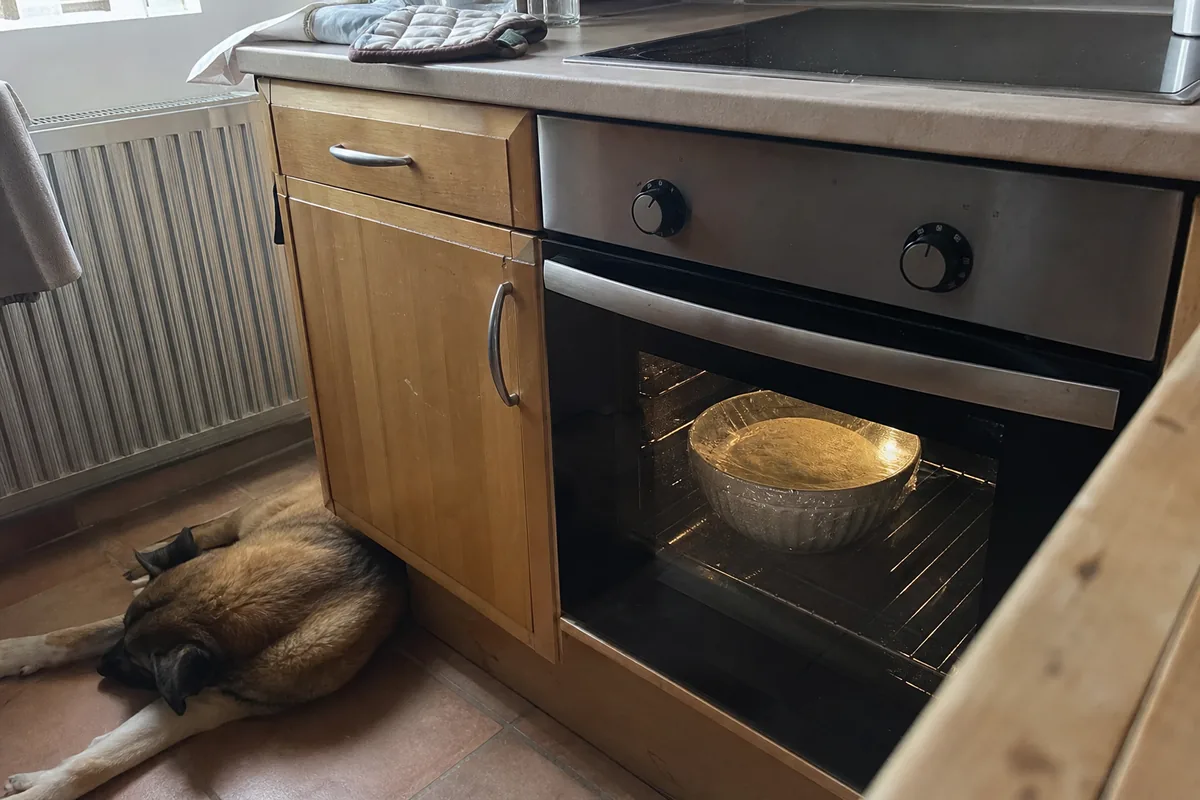
Proof raw bread dough in a closed oven or microwave (off), not on the counter. Wrap or seal takeout containers before trashing them. Close the bathroom door if toothpaste or mouthwash sits on the counter.
A few of these habits save time and stress. They also reduce the chance of an emergency vet visit.
Keep treats in bounds
A simple treat budget helps limit people food spillover. The FDA’s veterinary nutrition discharge instructions put a number on it: "• B6 should ideally receive a maximum of 10% of the daily calorie intake (150 kcal/day) from treats. These extra calories can be given as treats or mixed in with the diet for variety. If the total amount of the diet being fed is altered, the treat allowance should be adjusted accordingly so that treats never exceed 10% of total calories to avoid unbalancing the home-cooked diet (or a commercial diet) by nutrient dilution."
Pre-portion a week’s worth of dog-safe treats in a jar. Share from that jar when the table is busy, and skip handing over any human snacks.
When to call a vet
If a dog may have eaten any item above, call a veterinarian or an emergency clinic at once. Fast action matters, and a professional can guide the next step.